Heydar Aliyev International Airport in Baku operates two main passenger terminals, and knowing the difference between them is essential for a smooth journey. This guide provides a definitive comparison of Baku Airport Terminal 1 vs Terminal 2, helping you determine which one serves your flight and what to expect when you arrive.
Key Takeaways
- Terminal 1 is the newer, larger flagship facility primarily handling international flights from major full-service carriers, while Terminal 2 is an older, smaller facility that serves regional, low-cost, and some charter flights.
- Your terminal is determined by your airline and destination, so you must check your ticket or the airline's website before arriving.
- Both terminals are connected by a free shuttle service; walking between them is not recommended due to the distance.
- Facilities, lounges, and amenities differ significantly between the two, with Terminal 1 offering a more extensive passenger experience.
- Arrival time recommendations can vary by terminal and flight type, so always verify with your airline.
The Complete Answer: Baku Airport Terminal 1 vs Terminal 2
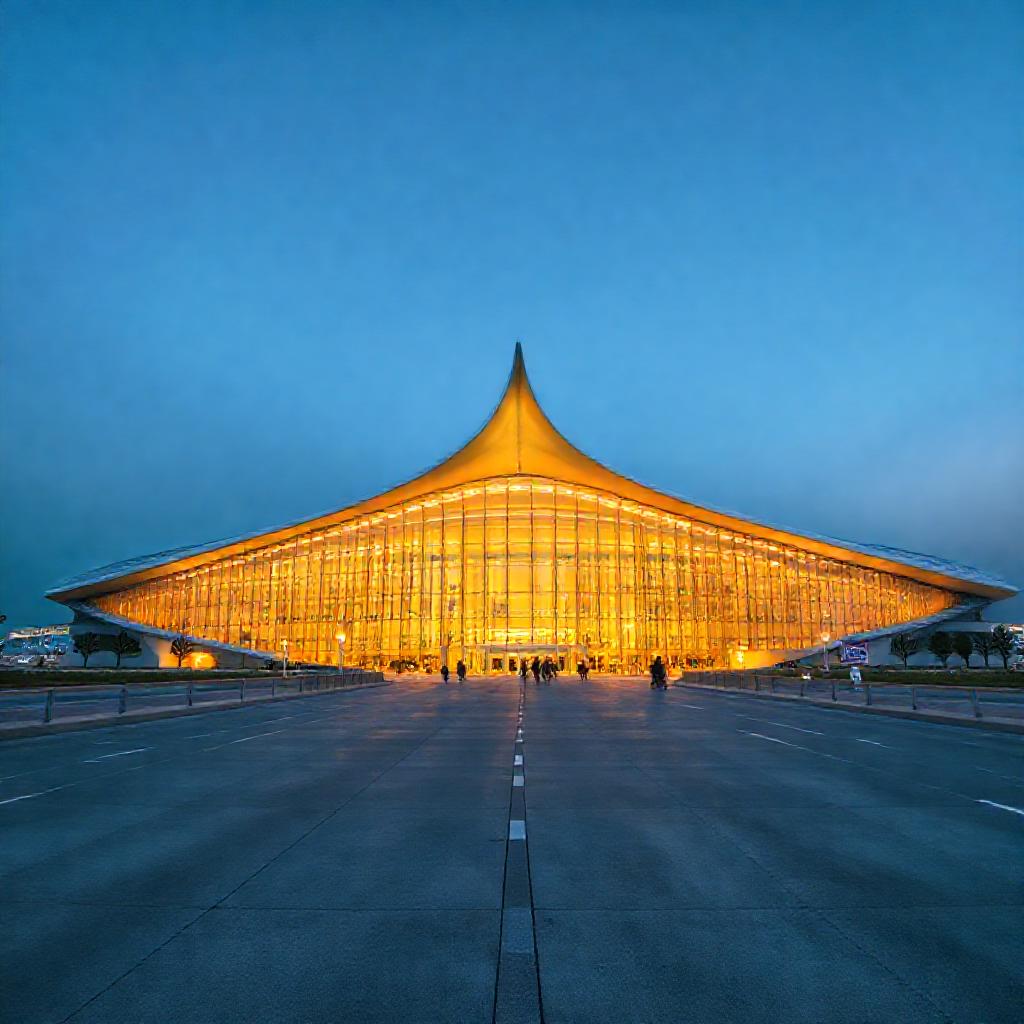
A dramatic view of the flagship international terminal, emphasizing its advanced design and premium atmosphere.
Quick Answer: Terminal 1 is the primary international hub for full-service airlines, while Terminal 2 serves regional, low-cost, and some charter flights. You can only use the terminal assigned to your flight, so check your booking confirmation.
Overview of Both Terminals
Heydar Aliyev International Airport is the main gateway to Azerbaijan, located about 25 kilometers from the capital city. The airport's modern infrastructure is split between two distinct passenger terminals, each serving a different segment of air traffic.
Terminal 1 is the airport's flagship facility, designed as the main hub for international air travel. It is a larger, more modern building with a distinctive architectural design and extensive passenger amenities. This terminal is used by major full-service airlines operating long-haul and primary international routes.
Terminal 2 is the older and smaller of the two facilities. It has been repurposed to serve as the secondary terminal for the airport, accommodating regional flights, low-cost carriers, and some charter operations. Its services are more streamlined and basic compared to Terminal 1.
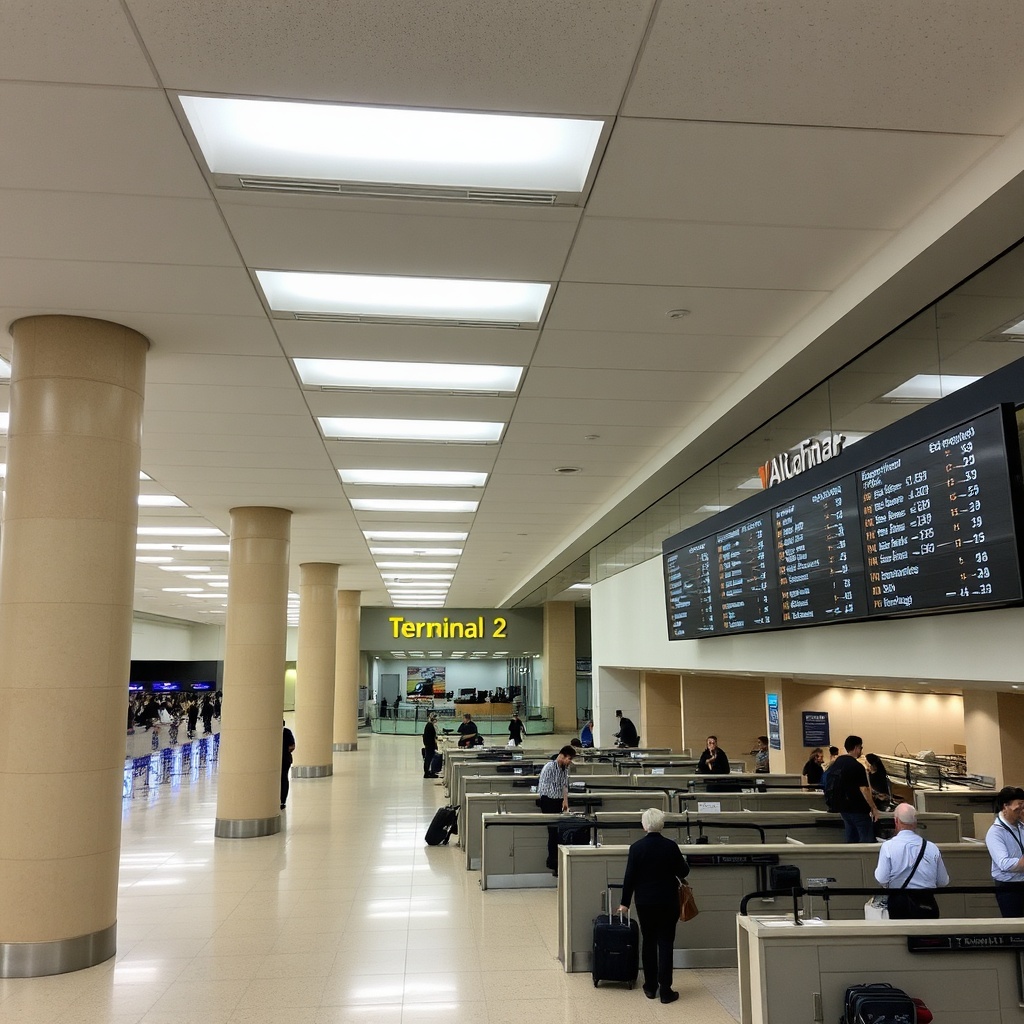
A realistic view of the older terminal, illustrating its simpler infrastructure and regional airline operations.
Key Differences at a Glance
The table below summarizes the primary differences between the two terminals, based on their general operational roles.
| Feature | Terminal 1 | Terminal 2 |
|---|---|---|
| Primary Use | International and major carrier flights | Regional, low-cost, and some charter flights |
| Size & Capacity | Larger, newer facility with modern design | Smaller, older facility with a simpler layout |
| Airlines | Full-service and international carriers | Low-cost and regional carriers |
| Facilities | Extensive shopping, dining, and multiple lounges | Basic amenities and fewer shopping options |
| Check-in & Security | Modern, automated systems with more space | Traditional systems, often with lower passenger volume |
Which Terminal Should You Use?
The decision is not yours to make; it is determined by the airline you fly with. Your flight's terminal assignment is based on the airline's agreement with the airport and the type of route being served.
To find your terminal, check your booking confirmation, your e-ticket, or the airline's official website. This is the only reliable way to know which terminal you should go to. Arriving at the wrong terminal can cause significant delays, as transferring requires waiting for the shuttle.
Terminal 1: The Flagship International Hub
Terminal 1 is the face of modern Baku, designed to be a world-class gateway for international travelers. It is the primary point of entry for most visitors arriving in Azerbaijan on full-service airlines.
Facilities and Services
The terminal boasts a wide range of amenities aimed at providing a premium passenger experience. Travelers can expect a spacious check-in hall, a large duty-free area, a variety of restaurants and cafes, and multiple airline lounges.
Definition: A duty-free shop is a retail outlet at an airport that sells goods without the usual customs duties and taxes, often making items like perfume, alcohol, and tobacco cheaper than in city stores.
Airlines and Destinations
Terminal 1 is home to major international carriers that operate scheduled flights to and from Baku. These include Azerbaijan's national carrier, AZAL (Azerbaijan Airlines), as well as other full-service airlines connecting Baku to destinations across Europe, Asia, and the Middle East.
Passenger Experience and Amenities
The passenger experience in Terminal 1 is designed to be efficient and comfortable. The check-in area is modern and spacious, helping to manage large volumes of international passengers. The terminal also features advanced baggage handling systems and a well-designed transit area for connecting passengers.
To navigate Terminal 1 efficiently, allow extra time to explore the large facility, especially if you are unfamiliar with its layout. The terminal is well-signposted in both Azerbaijani and English, making it easy to find your gate.
Terminal 2: The Regional and Low-Cost Gateway
Terminal 2 serves as the airport's secondary facility, focusing on efficiency and simplicity for regional and low-cost travel.
Facilities and Services
The facilities at Terminal 2 are more basic than those at Terminal
- You will find standard check-in counters, security lines, and a smaller selection of shops and eateries. The advantage here is simplicity; the terminal's smaller size means less walking and shorter distances between check-in and the gate.
Airlines and Destinations
This terminal typically handles flights from low-cost carriers and airlines operating regional routes. It may also be used for some charter flights. The destinations served are often within the region, including other cities in the Caucasus, Central Asia, and the Middle East.
Passenger Experience and Amenities
The passenger experience at Terminal 2 is focused on speed and functionality. With lower passenger volumes, security lines tend to move quickly. You should expect a no-frills experience, with fewer dining and shopping options than at the main terminal. The key benefit is that you can often get through the airport more quickly.
Practical Comparison: Navigating Both Terminals
Quick Answer: A free shuttle service connects Terminal 1 and Terminal 2. The shuttle is the only practical way to move between the terminals, as the distance between them is too far to walk.
Transfer Between Terminals
If you need to transfer between terminals—for example, if you have a connecting flight on different airlines—you must use the shuttle service. Follow these steps:
- Arrive at the airport and follow the signs for "Terminal Transfer" or "Shuttle."
- Locate the shuttle stop, which is situated outside the arrivals area of the terminal you are in.
- Wait for the free shuttle. It operates continuously, with frequency depending on flight schedules.
- Board the shuttle and remain seated until you reach the other terminal.
- Exit the shuttle and follow the signs to the check-in area or arrivals hall.
Walking is not recommended due to the distance and the fact that the terminals are not connected by a pedestrian walkway. Taxis are also an option, but the shuttle is free and designed for this purpose.
Check-in and Security Procedures
Check-in and security procedures differ slightly between the terminals. Terminal 1, being newer, has more modern and automated systems, which can handle a higher throughput of passengers. However, it also handles a much larger volume of international travelers.
Terminal 2 uses more traditional check-in processes, but with lower passenger volumes, the security lines are often shorter and move faster. The time you need to arrive will depend on your flight type and terminal, but the standard advice of arriving at least 3 hours before an international flight and 2 hours before a regional flight is a good guideline.
Parking and Ground Transportation
Both terminals have their own parking facilities and are accessible by the same modes of ground transportation. Taxis and ride-hailing services are available at the arrivals area of each terminal. Public buses also serve the airport, with stops outside both terminals.
If you are driving, you should park at the terminal you are flying from. The parking facilities are separate, and you will need to know your terminal to choose the correct car park.
Choosing the Right Terminal: A Decision Framework
Quick Answer: To choose the right terminal, check your booking confirmation or airline website for the terminal code. Your airline, not your preference, determines which terminal you will use.
Factors to Consider
The primary factor determining your terminal is your airline and your destination. Your ticket class and time of day can also be relevant, as some airlines may use different terminals for different routes. If you have a connecting flight, you must also consider whether you need to transfer between terminals.
Step-by-Step Decision Process
Follow this simple process to ensure you go to the correct terminal:
- Check your booking confirmation for the terminal code (e.g., T1 or T2).
- Verify the terminal on the airline's official website or mobile app.
- If you have a connecting flight, confirm whether you need to change terminals.
- Factor in your arrival time and the transportation you will use to get to the correct terminal.
- Plan your check-in and security time based on the terminal's typical volume and your flight type.
Common Mistakes to Avoid
The most common mistake is arriving at the wrong terminal and then having to wait for the shuttle, which can cause you to miss your check-in deadline. Another mistake is assuming both terminals offer the same facilities. If you are flying from Terminal 2, do not expect to find the same range of lounges and duty-free shops as in Terminal 1.
Finally, do not underestimate the time needed for a terminal transfer. If you have a connection, ensure you have enough time to land, clear immigration if necessary, take the shuttle, and go through security again.
FAQ (Frequently Asked Questions)
Q1: Can I walk between Terminal 1 and Terminal 2 at Baku Airport?
No, walking is not recommended due to the distance between the buildings. A free shuttle service connects the two terminals, and this is the official and practical way to transfer.
Q2: Which terminal does a specific airline use?
This varies by airline and route. Always check your ticket or the airline's official website for the most current terminal assignment, as airlines can change terminals.
Q3: Are there lounges in both terminals?
Terminal 1 has multiple airline and independent lounges. Terminal 2 has limited or no lounges, so you should not expect lounge access if you are flying from there.
Q4: How early should I arrive at Baku Airport?
The standard recommendation is 3 hours for international flights and 2 hours for regional or domestic flights. However, this can vary, so you should verify the check-in deadline with your airline.
Q5: Is there a shuttle between the terminals?
Yes, a free shuttle operates between Terminal 1 and Terminal 2. Its frequency depends on flight schedules, so allow enough time for the transfer.
Conclusion
The definitive answer to Baku Airport Terminal 1 vs Terminal 2 is that Terminal 1 is the primary international hub for full-service airlines, while Terminal 2 is the secondary gateway for regional and low-cost carriers. The terminal you use is determined by your airline and destination.
Before traveling, it is essential to check your airline's terminal assignment on your booking or the airline's website. Use the decision framework outlined above to avoid common mistakes and ensure you arrive at the correct terminal on time. Always verify operational details with the airport or your airline, as schedules and terminal assignments can change.